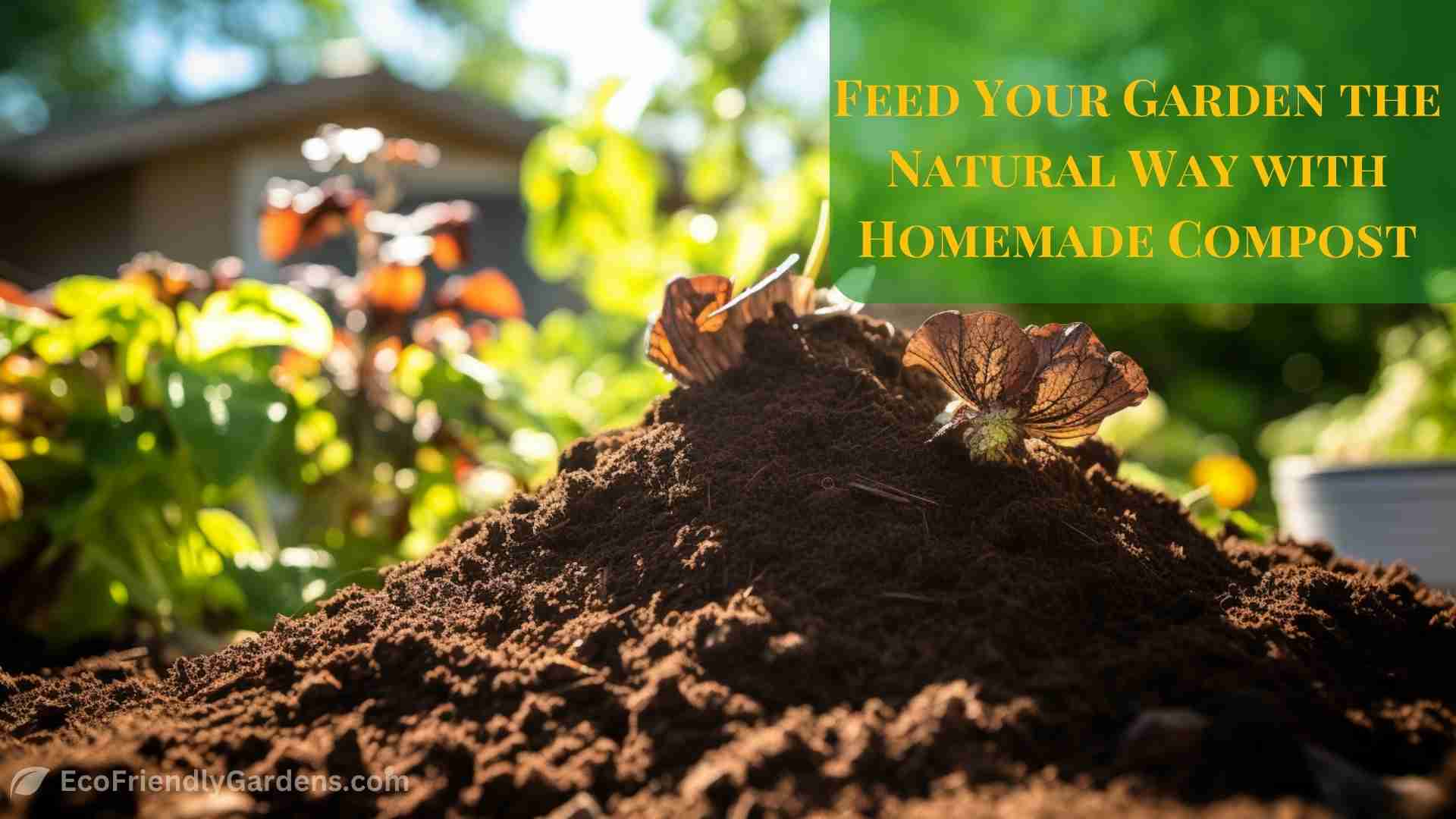
Hey green thumbs, are you looking to take your sustainable garden to the next level? Making your own organic compost can nourish your plants and reduce waste – a win-win for you and the environment!
Composting is a handy skill that any aspiring eco-gardener should have. With just a few simple steps and a little patience, you’ll be on your way to creating the good stuff that plants crave.
Let’s start with the basics: location. Find a shady spot near your garden beds that gets some morning rays to warm your future “black gold.” Make sure it’s in a well-draining area and keep it far from contaminants like pet waste. You want to give those microbes a clean diet!
Now for the fun part – gathering ingredients! Think variety for a balanced compost meal. Grab nitrogen-rich greens like fruit and veggie scraps, grass clippings, and coffee grounds. Then collect carbon-heavy browns like dried leaves, straw, and shredded paper. Mix 3 parts greens to 1 part browns. Red wiggler worms are great helpers too – be sure to add some composting superstars!
Your Eco-Friendly Garden: Compost Guidelines
| Items | Category |
|---|---|
| What Should Go Into Your Compost Bin: | |
| Fruit and vegetable scraps | Yes, Please! |
| Coffee grounds and filters | Absolutely! |
| Tea bags (remove staples if present) | They’re Welcome! |
| Fresh grass clippings (in moderation) | Go for It! |
| Plant trimmings and prunings | Full Speed Ahead! |
| Houseplant trimmings | Join the Party! |
| Weeds (avoid those with mature seeds) | Yes, But Choose Wisely! |
| Leaves (shredded for faster decomposition) | Great Choice! |
| Straw and hay | Nature’s Helpers! |
| Shredded paper (non-glossy) | Reuse and Recycle! |
| Cardboard (shredded or torn) | Eco-Friendly Bedding! |
| Wood chips and sawdust (in moderation) | Natural Texture! |
| Dry, dead plants | Nature’s Renewal! |
| Eggshells: Crushed eggshells add calcium to the compost. | Boost for Plants! |
| Nut Shells: Crushed nut shells like walnuts and pecans can be composted, but they decompose more slowly. | Nature’s Gems! |
| Natural Fibers: Cotton and wool scraps, as well as natural fiber clothing (cut into small pieces). | Reuse with Style! |
| Hair and Fur: From pets or yourself. | Nature’s Softness! |
| Manure: Herbivore animal manure (cow, horse, rabbit, etc.) can be added, but avoid carnivore or omnivore animal waste. | Animal Magic! |
| Food-soiled Paper: Unwaxed paper plates, napkins, and paper towels with food residues. | Food for Thought! |
| What Shouldn’t Find a Spot in Your Compost Bin: | |
| Meat and Dairy: These can attract pests and produce unpleasant odors. | Keep Them Out |
| Fats and Oils: Greasy or oily food waste should be avoided. | Best Avoided |
| Processed Foods: Highly processed foods may contain additives that don’t break down well. | Not a Good Fit |
| Bread and Pasta: These can attract pests and take a long time to break down. | Save Them for Birds |
| Diseased Plants: Plants with diseases can spread pathogens in your compost. | Skip Them |
| Weeds with Mature Seeds: These seeds might survive the composting process and end up sprouting in your garden. | Handle with Care |
| Invasive Plants: Seeds or plant parts of invasive species can spread when the compost is used. | Let’s Not! |
| Pet Waste: Cat or dog waste can contain harmful pathogens. | Leave It Out |
| Plastic and Synthetic Materials: These don’t break down and can contaminate your compost. | No Place for Them |
| Glossy Paper: Paper with a glossy finish or colored ink may contain toxins. | Better Not |
Your garden journey is all about being kind to the environment while nurturing your green paradise. Remember, a thriving compost pile is a symphony of greens and browns. Turn it with a smile to let the magic happen. As we share this planet, let’s chat, learn, and grow together as a community of mindful gardeners!
Time to build your compost home. For outdoor piles, make a wire or wood frame and cover with a breathable tarp. For bins, choose an enclosed model with a lid to lock in moisture and keep out pests.
Layer your ingredients like a tasty compost lasagna! Start with browns, then greens, then browns again. Bury food scraps deep to avoid critters. Turn the mixture weekly with an aeration tool to speed things up. Keep it moist like a wrung-out sponge.
Hold tight, because great compost takes time. In 2-4 months, your pile will transform into that gorgeous crumbly, dark compost we call “black gold.”
When it’s ready, dig generous helpings into your garden beds or use it to brew compost tea. Your plants will thank you with vigorous growth and bountiful harvests!
Making your own compost is one of the most rewarding parts of eco-gardening. Have fun getting your hands dirty while reducing waste. And think of all the money you’ll save on store-bought soil amendments and fertilizers!
Let us know if you have any other questions on your sustainable gardening journey. We’re always happy to help our community of budding eco-gardeners. Happy composting!